Custom structure guide
What Is a Die-Cut Box?
Learn how a cutting die creates custom corrugated shapes, tabs, slots and hand holes—and when a die-cut design is more suitable than an RSC carton.
Not every product fits neatly into a plain square box. A phone case, a wine bottle, and a set of documents each need something shaped to suit them, and that is exactly what a die-cut box provides. It is the packaging behind most branded e-commerce parcels and premium unboxing experiences.
Where a standard box relies on straight cuts and folds, a die-cut box is shaped by a custom cutting tool called a die. That tool can introduce curves, angles, slots, and hand holes that a normal box cannot have. In this guide we explain why it is called a die-cut box, how these boxes are made, how they compare with a standard RSC box, what they are used for, and how to order a custom size.
Why Is It Called a Die-Cut Box?
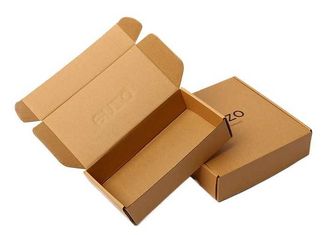
Think of the die like a giant cookie cutter for corrugated board. The steel blades are bent into the exact outline of the box, including any tabs, slots, or holes. When the die presses onto a flat sheet, it cuts and creases the whole shape in a single action. Because the tool is custom, the design can be as simple or as complex as the product needs.
How Are Die-Cut Boxes Made?
A flatbed die cutter lowers a flat die onto a stationary sheet, which gives excellent precision for detailed cutouts and short to medium runs. A rotary die cutter wraps the die around a cylinder and cuts the board as it feeds through, which is faster and better suited to large production quantities. Either way the board is scored along fold lines at the same time, so the finished blank folds cleanly into shape. Many die-cut designs lock together with tabs, so they need little or no tape to assemble.
Die-Cut Box vs RSC Box: What Is the Difference?
If your items are regular and rectangular, and cost is the priority, a standard box is usually the better pick. If your product is an unusual shape, fragile, or part of a brand experience, a die-cut box earns its higher price by fitting perfectly and reducing the void fill you would otherwise need. To compare the standard option in detail, read our guide on the RSC box.
Features and Benefits of Die-Cut Boxes
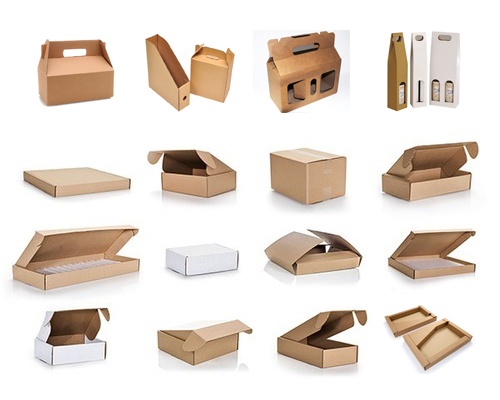
A snug fit means less movement in transit and less cushioning to buy. Special features such as hand holes, windows, and inserts are all possible because the die can be cut to any outline. These are common in mailer boxes, wine boxes, food boxes, and document boxes. For a full custom project you can also add printing, though our standard carton boxes cover most everyday needs at a lower price.
How to Order a Custom Die-Cut Box
Because a die-cut box is bespoke, the more detail you share, the more accurate the quotation. Let us know the internal dimensions, any special features such as hand holes or windows, whether you want single or double wall board, and how many pieces you need. When you are ready, see our custom carton box enquiry guide and email your details to hello@cartonboxes.sg. We will reply the next working day and advise on the best design.
Conclusion
A die-cut box is the answer when a plain square carton is not enough. By cutting corrugated board to a custom shape, it delivers a snug fit, a premium look, and an assembly that often needs no tape. It costs more than a standard box because of the custom die, but for branded, fragile, or oddly shaped products that cost is well spent. If you have a custom project in mind, tell us your sizes and we will help you choose the right design and board.
Enquire About a Custom Die-Cut Box
Common questions
Die-Cut Box FAQs
What is a die-cut box?
A die-cut box is a corrugated box cut to a custom shape using a steel die, rather than the simple straight cuts of a standard box. The custom cutting allows special shapes, tabs, and hand holes, so the box fits a product snugly and often folds together without tape.
What is the difference between a die-cut box and an RSC box?
An RSC box uses straight cuts and flaps that meet in the centre, which makes it cheap and quick for standard shipping. A die-cut box is cut to a bespoke shape for a snug fit, branding, and easy assembly, so it costs more but protects and presents a product better.
How are die-cut boxes made?
Die-cut boxes are made by pressing a shaped steel die onto a sheet of corrugated board, which cuts and creases the blank in one step. Flatbed die cutters press a flat die for intricate shapes, while rotary die cutters use a cylindrical die for high-volume runs.
Are die-cut boxes more expensive than RSC boxes?
Yes. Die-cut boxes usually cost more than RSC boxes because they need a custom cutting die and more complex tooling. For long runs the higher setup cost is spread across many boxes, and the snug fit can save on void fill and shipping.
What are die-cut boxes used for?
Die-cut boxes are used for e-commerce mailers, wine and food packaging, product inserts, and document boxes with hand holes. They suit any product that needs a custom fit, a strong brand look, or an easy fold-together assembly.